Protein-rich and balanced breakfast yoghurt bowls
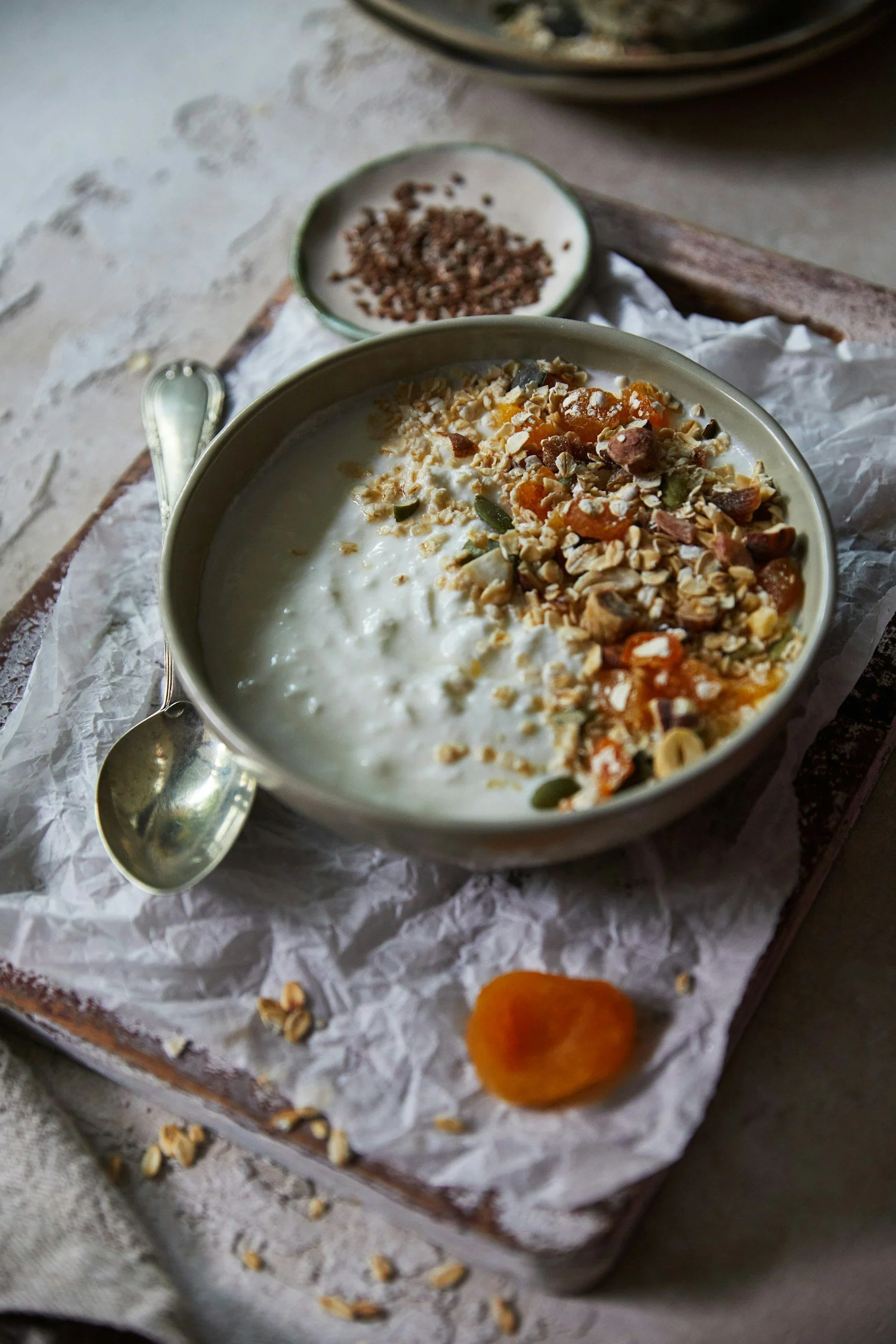
When the weather warms up, many of us naturally gravitate towards lighter breakfasts. While porridge may take a back seat during the summer months, yoghurt bowls offer a refreshing, nourishing alternative that can be tailored to suit almost any taste or nutritional goal.
Quick to assemble, endlessly versatile, and packed with nutrients, yoghurt bowls are one of my favourite breakfasts for busy mornings. With the right combination of ingredients, they can provide a balance of protein, fibre, healthy fats, and antioxidants to help keep you feeling energised and satisfied throughout the morning.
Yoghurt is often associated with protein, but its benefits extend far beyond that. Many yoghurts contain live cultures, which can help support the gut microbiome. As research continues to highlight the connection between gut health and overall wellbeing, including digestion, immunity, and even mood, incorporating fermented foods such as yoghurt can be a valuable addition to the diet. Yoghurt is also naturally rich in nutrients including calcium, phosphorus, and B vitamins, which play important roles in bone health, energy production, and nervous system function.
But you need to choose the right yoghurt as not all yoghurts are created equal, and each type offers slightly different benefits.
Greek Yoghurt
Greek yoghurt is strained to remove some of the whey, resulting in a thicker texture and a higher protein content than many standard yoghurts. Benefits include:
High in protein
Helps support satiety
Rich in calcium
*** Always select full fat yoghurt not 0% as this will help to keep you fuller for longer and more satiated.
Natural Yoghurt (Greek style yogurt)
Doesn’t offer the same benefits as the 100% Greek yogurt and not as filling due to lower fat and protein amount.
Kefir Yoghurt
Kefir is a fermented dairy product that typically contains a wider variety of beneficial bacteria and yeasts than standard yoghurt. It is often in a more liquid form. Kefir’s key benefits are:
Rich in probiotics
Supports gut microbiome diversity
Provides protein and calcium
Plant-Based yoghurt
Made from ingredients such as coconut, almond, oat, or soy. The benefits are:
Suitable for those avoiding dairy
Soy-based options can provide useful amounts of protein
Often fortified with calcium and vitamin D and sometimes live cultures
A note on plant-based yoghurts: Choose options with minimal added sugars, since flavored varieties may contain significant amounts of sweeteners. If you are using plant-based yoghurt as a dairy alternative, look for products fortified with calcium, vitamin D, and vitamin B12 to help support bone health and overall nutrition. Live and active cultures are another beneficial feature, as they can contribute to gut health. Finally, select products with a short and recognisable ingredient list, avoiding those with excessive additives, artificial flavours, or unnecessary thickeners whenever possible.
When choosing any yoghurt, it's worth checking the ingredients list and opting for natural, unsweetened varieties where possible.
How to Build a Balanced Yoghurt Bowl
Think of your yoghurt bowl as a template rather than a recipe. A balanced bowl typically includes:
1. Protein
Adding protein to your yoghurt bowl helps support satiety, blood sugar balance, muscle repair, and steady energy throughout the morning.
These are a few examples of yoghurts and their approximate protein content:
Dairy-based options
Greek yoghurt (100g) – 10g protein
Thick, creamy, and one of the easiest ways to build a high-protein base or topping.
Skyr (100g) – 10–11g protein, even higher in protein than standard yoghurt, with a smooth, mild taste. However it is virtually fat-free and it is always best to get full fat for all the benefits of healthy fats.
Kefir (150ml) – 5–6g protein, thinner in texture but rich in probiotics for gut health.
Plant-based options
Soy yoghurt (100g) – 4–6g protein One of the highest-protein dairy-free yoghurt options.
Coconut yoghurt – 1g to 2g of protein per 100g serving (look for protein fortified or add additional protein powder/collagen)
The following are topping options with approximate protein amounts:
Nuts & nut butters
Almonds (20g / small handful) – 4g protein
Walnuts (20g) – 3g protein
Pistachios (20g) – 4g protein
Peanut butter (1 tbsp / 15g) – 4g protein
Almond butter (1 tbsp / 15g) – 3–4g protein
Seeds (great for adding without much volume)
Hemp seeds (2 tbsp / 20g) – 6–7g protein. One of the best plant-based complete protein sources for toppings.
Pumpkin seeds (2 tbsp / 20g) – 6g protein. Rich in magnesium and zinc as well as protein.
Chia seeds (1 tbsp / 12g) – 2g protein. Also high in fibre and omega-3 fats.
Flaxseeds (1 tbsp / 10g) – 2g protein. Best ground for absorption, great for gut health.
Extras & boosters
Protein powder (1 scoop / 20–30g) – 15–25g protein. Easily stirred into yoghurt.
Granola with added nuts/seeds (40g) – 4–8g protein (varies widely). Choose higher-protein, lower-sugar options where possible.
Building a high-protein balanced yoghurt bowl, around 20–30g protein total for a satisfying breakfast
Aiming for around 30 g of protein at breakfast can help women feel fuller for longer, support stable energy and blood sugar levels, and reduce cravings throughout the day. It also provides essential amino acids needed for maintaining muscle, producing hormones, and supporting overall health. Eating a protein-rich breakfast may be especially beneficial during the luteal phase when we tend to have more cravings due to an increase in metabolism and also during perimenopause.
An example could look like:
150g Greek yoghurt (15g protein)
1 tbsp peanut butter (4g)
2 tbsp hemp seeds (6g)
1 tbsp chia seeds (2g)
Handful berries
= 27g protein breakfast bowl
2. Fibre
Fibre supports digestive health and helps promote fullness.
Good sources include:
Berries
Chopped apple or pear
Kiwi
Chia seeds
Flaxseeds
Oats or granola
Fruit
Nuts
3. Healthy fats
Healthy fats help support hormone production, brain health, and satiety.
Try:
Nut butter
Walnuts
Almonds
Pumpkin seeds
Chia seeds
4. Colour & antioxidants
The more colourful your toppings, the wider variety of beneficial plant compounds you're likely to consume.
Think:
Strawberries
Blueberries
Raspberries
Cherries
Apricots
Peaches
Pomegranate seeds
Building the perfect summer yoghurt bowl
Summer is the perfect time to make the most of seasonal fruit. A simple summer yoghurt bowl might include:
Greek yoghurt or kefir
Fresh strawberries
Blueberries
Peach slices
A sprinkle of granola
Chopped almonds
Chia seeds
A drizzle of honey
The result is a breakfast that provides protein, fibre, healthy fats, and antioxidants while feeling light, refreshing, and satisfying.
A breakfast that works for you
One of the best things about yoghurt bowls is that there is no single "perfect" recipe. Some mornings you may want something higher in protein. Other days you may prefer a fruit-packed bowl bursting with seasonal produce. The beauty lies in their flexibility. By combining a quality yoghurt with fibre-rich fruits, healthy fats, and a little crunch, you can create a breakfast that not only tastes delicious but also supports your health goals and keeps you feeling satisfied throughout the morning.
The recipes that follow are some of my favourite yoghurt bowl combinations for the summer months, simple, colourful, and packed with nourishing ingredients.
Summer berry and fresh mint bowl
Peach & almond yoghurt bowl
Tropical mango & coconut bowl
Cherry & pistachio yoghurt bowl
Roasted apricots & almonds yogurt bowl