How to support seasonal allergies naturally
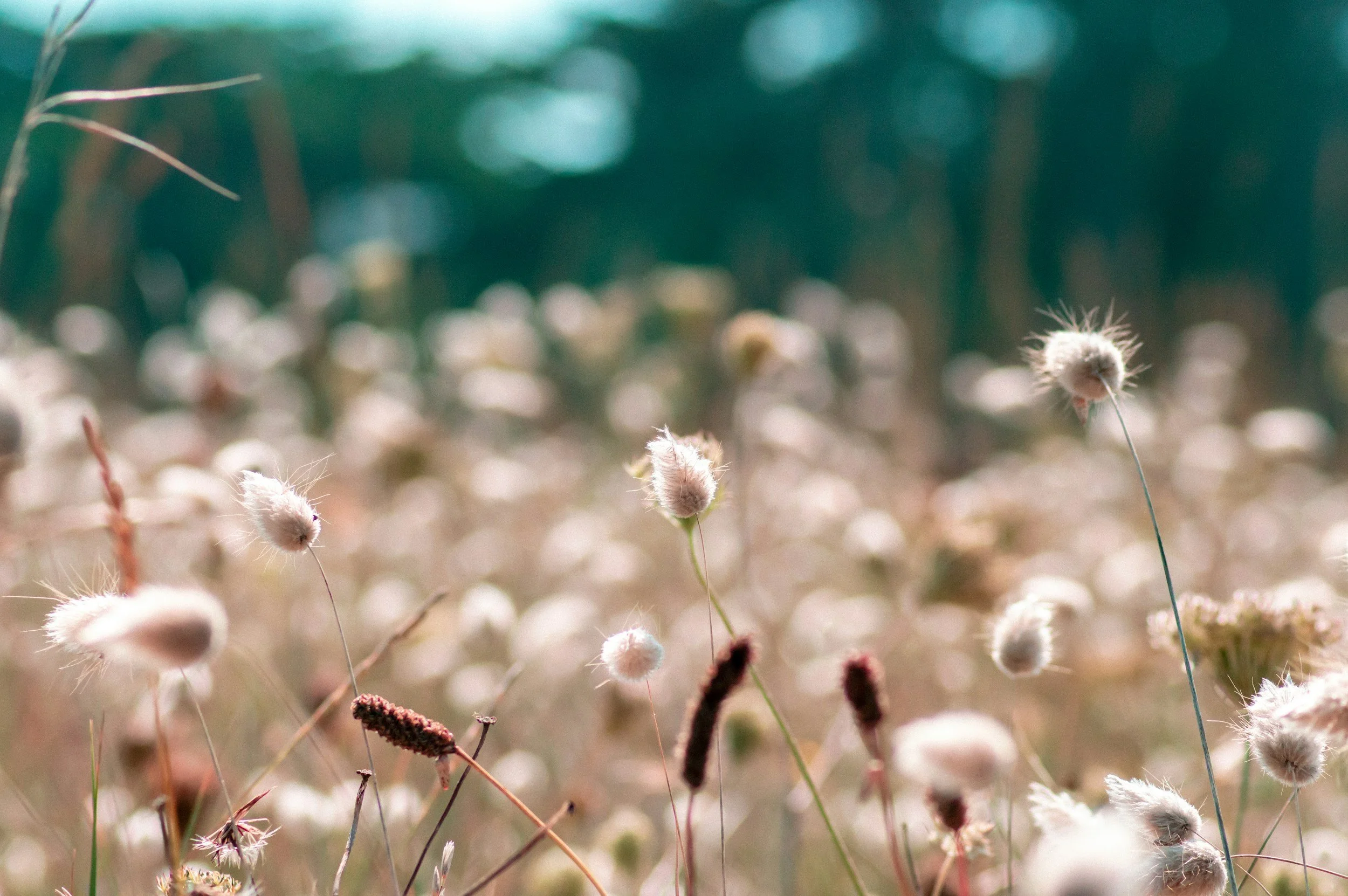
Have a love–hate relationship with spring?
You’re not alone. Spring arrives with longer days, fresh air, and that unmistakable sense of renewal. Trees burst into leaf, flowers bloom in colour, and everything feels just a little more alive. And yet, for many people, it also signals the start of sneezing fits, itchy eyes, brain fog, and relentless fatigue, hello, hayfever.
For years, I found spring difficult to enjoy. I’d brace myself for weeks of discomfort, often ending up run-down or dealing with lingering chest infections. It felt inevitable. But over time, as I began to understand how the body responds to allergens, and more importantly, how to support it, things started to shift. My symptoms didn’t disappear overnight, but they became far more manageable. Spring no longer felt like something to survive, but something I could actually enjoy.
Why do seasonal allergies hit so hard?
At its core, hayfever is an immune response. Your body identifies harmless substances like pollen as a threat and releases histamine and other chemicals to “protect” you. The intensity of that response can be influenced by several factors, including gut health, nutrient status, stress levels, and overall toxic load.
That’s why a more proactive, holistic approach, rather than just masking symptoms, can make a real difference.
Start with the foundations: gut and liver health
A healthy gut plays a key role in regulating the immune system. When your gut microbiome is balanced and thriving, your body is better equipped to respond appropriately to environmental triggers instead of overreacting.
Similarly, the liver is responsible for processing toxins and breaking down histamine. If it’s overloaded or sluggish, histamine can build up more easily, worsening allergy symptoms.
Supporting these systems isn’t about quick fixes, it’s about consistent, everyday habits that help your body function at its best.
Practical ways to support yourself through allergy season
Reduce your overall “toxic load”
Everyday exposures can add up. Consider simplifying where you can, this might mean being mindful of household cleaners, personal care products, plastics, non-stick cookware, and alcohol intake. Small changes here can ease the burden on your body.
Cut back on ultra-processed foods
Highly processed foods, like refined sugars, processed meats, and artificial additives, can contribute to inflammation and make symptoms feel worse. Focusing on whole, minimally processed foods helps support both gut and immune health.
Eat a colourful, seasonal diet
Think variety: vegetables, fruits, whole grains, healthy fats, and quality protein. Seasonal produce is often richer in nutrients and supports your body’s natural rhythms.
Include natural antihistamine foods
Foods rich in quercetin, like apples, onions, and green tea, may help stabilise histamine release. While they’re not going to offer immediate relief, they can be a helpful addition.
Be mindful of high-histamine foods
Some people find relief by reducing foods that are naturally high in histamine or that trigger its release, such as alcohol and wine, fermented foods, tomatoes, aubergines, and smoked meats. This doesn’t have to be restrictive, just something to experiment with and observe. What are your triggers?
Prioritise key nutrients
Magnesium, zinc, and vitamin C all play roles in immune function and inflammation regulation. You’ll find them in foods like leafy greens, nuts and seeds, legumes, berries, citrus fruits, and cruciferous vegetables.
Lean into anti-inflammatory foods
Fatty fish, olive oil, nuts, seeds, herbs, spices (like ginger and turmeric), and a wide range of plant foods can help calm inflammation in the body.
Try simple herbal supports
Nettle tea is a traditional favourite during allergy season, and some people find that local honey helps them adapt to environmental pollen, though responses can vary.
A gentler way to experience spring
Seasonal allergies can feel frustrating, especially when they take the shine off a time of year that’s meant to feel uplifting. But your experience isn’t fixed. By supporting your body consistently, rather than only reacting when symptoms hit, you may find that your resilience improves over time.
With the right support, your body can meet and enjoy Spring with a little more ease.