A Spring Nutritional Reset
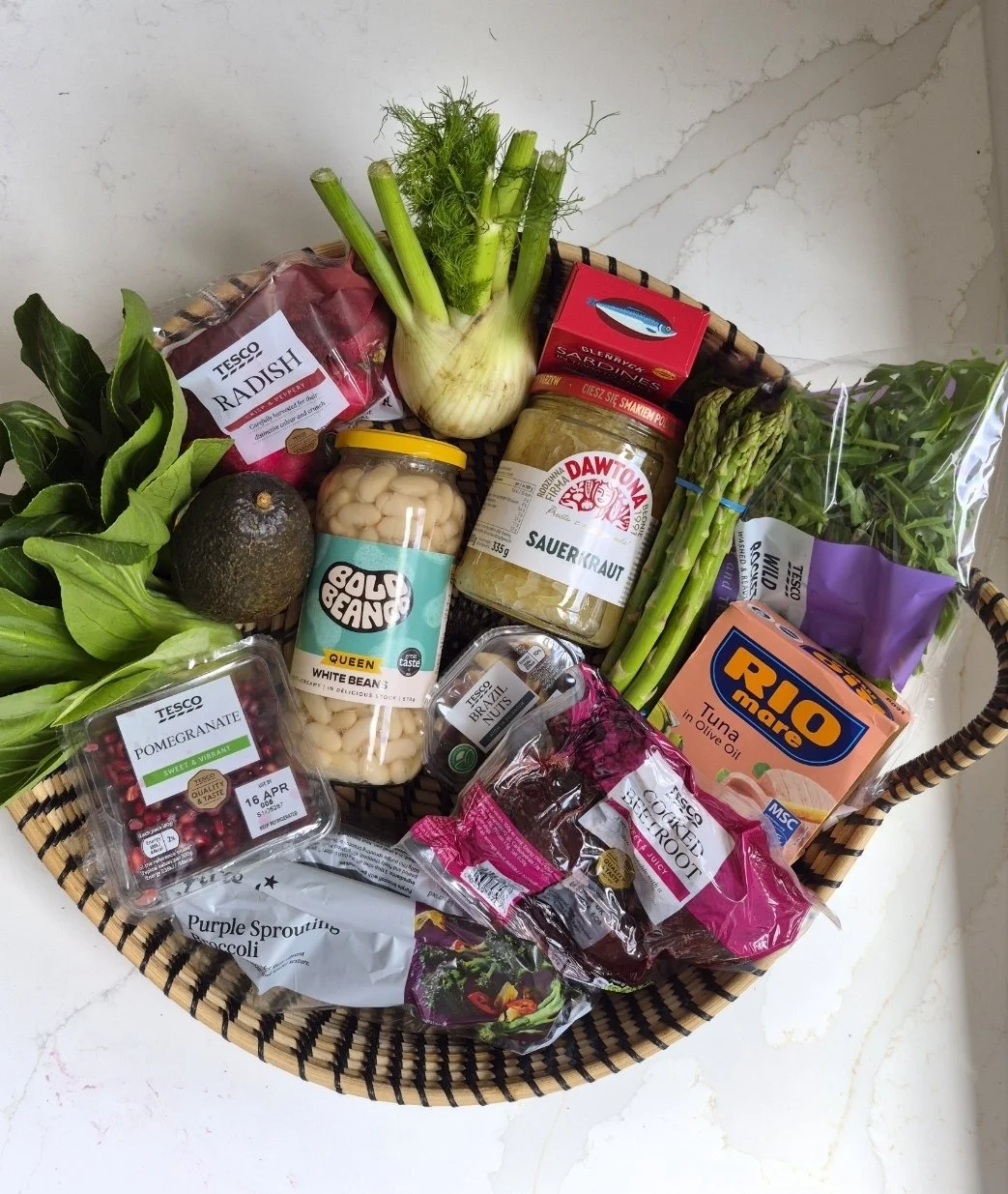
Spring Reset
To help me feel more in tune and connected with the season, I have been doing a little spring reset for the last few weeks. Spring always brings a wave of “detox” talk, juice cleanses, bone broth fasts, coffee enemas, and endless quick-fix promises for a “beach body.” But so much of it can feel extreme, restrictive, and hard to sustain long term.
And yet… there is something true underneath it all.
After winter, when we’ve often eaten heavier foods, moved a little less, and leaned into comfort, our bodies naturally start to crave something different. Lighter meals, fresher ingredients, more movement, more energy. That gentle “spring reset” feeling is part of a natural rhythm, not following a trend.
Spring has long been associated with renewal and fresh energy. In Traditional Chinese Medicine, it’s linked to the liver and gallbladder, organs that are connected to flow, balance, and processing. It’s a reminder that this season is less about forcing change and more about supporting what’s already happening within us.
Your body is very clever and already knows what to do (when given the right support and tools). Every single day, your liver, kidneys, and lymphatic system are working quietly in the background to process and eliminate what you don’t need. Detoxification is not a once-a-year event; it’s a constant, intelligent process your body is designed for.
We live in a modern world where we’re exposed to environmental factors in the air, water, food, and everyday products we use. So instead of trying to “flush everything out”, the real focus becomes supporting your body consistently.
That might look like:
• Choosing more whole, seasonal foods.
• Prioritising fibre-rich plants for digestion and elimination
• Supporting gut health
• Reducing what feels inflammatory or draining for your body
• And simply eating in a way that feels lighter and more aligned with the season
It’s not about restriction, it’s about awareness and support and adding in to your diet.
Some people may need more targeted support with detox pathways, and in those cases, guidance from a professional can be important. But for most of us, the foundation is simple: daily habits that help the body do what it already does so well.
In season now - nettles - nettle tea is a great way to reap the nutritional benefits
Detoxification made simple
Detoxification is something your body does every single day. It’s how it naturally processes and removes things like environmental toxins, medications, hormones, and other normal waste products.
Your liver is constantly working in the background to do this for you. There are many other organs also involved, for example, the kidneys filter waste products from the blood to produce urine ready to be excreted. The lungs support detoxification through respiration. The skin expels toxins through sweat. The lymphatic system is a network of nodes that help drain fluid and waste, thereby eliminating toxins from the body and supporting the immune system.
The digestive system also plays an important role in detoxing as this is where the food we eat is broken down, nutrients absorbed and waste removed through our daily bowel movements.
While some people may have differences in how efficiently these systems work, everyone benefits from supporting them daily, not just during a “detox” or once a year.
Naturally, spring is the time to reboot and reset healthy habits. Looking for ways to boost our energy and vitality with the fresh energy of the season. Supporting the detoxification system in doing its job while feeling increased energy and mental clarity.
How does the liver remove toxins?
I thought it might be interesting for you to learn some of the science (if not skip ahead to the nutrients needed). The liver detoxifies in two phases, which work synergistically together. Therefore, each phase needs to be supported. Each process must also be working optimally, requiring a set of distinct nutrients to support it.
Phase 1
This is the preparation stage, where toxins are broken down and prepared for the next phase of elimination. At this point, by-products are naturally produced, such as free radicals, which can themselves act like toxins if the body doesn’t have the right nutrients available to manage them.
This is why adequate nutritional support is so important when working with detoxification, and why, at times, it’s best to do so under the guidance of a qualified professional.
Phase 2
Conjugation is the next stage, where the body attaches molecules to toxins so they can be made water-soluble and safely eliminate. You may notice a few of the following if your detoxification system isn’t functioning optimally:
Night sweats
Skin issues
Headaches
Hormone imbalances/PMS
Brain fog
Fatigue
Poor sleep
Low mood, irritability, anxiety
Strong body odour
Bloating or constipation
(This list is by no means exhaustive and the symptoms will show up differently in everyone)
Key nutrients to consider including in your diet
The different stages of the detox phases require different specific nutrients. The following are some of the key nutrients that play a crucial role in supporting the body’s natural detoxification processes.
Antioxidants and vitamins
Vitamin A (liver, eggs, dairy products, carrots, sweet potatoes, spinach, kale, butternut squash, and other dark leafy greens, and orange vegetables). Vitamin C (oranges, berries, kiwi, guava, papaya, lemons, peppers, broccoli, Brussels sprouts) and vitamin E (almonds, sunflower seeds, hazelnuts, pine nuts, olive oil, avocado). Important minerals include Selenium (Brazil nuts (extremely high), seafood, meat and poultry, dairy products), Zinc (shellfish (especially oysters) and seafood, eggs, pumpkin seeds and beef) and Manganese (whole grains, rice, almonds, pineapple, leafy greens, beans and tea) are important antioxidants that help protect cells from damage caused by free radicals and support detoxification pathways.
B vitamins
B vitamins, especially B6, B12, and folate, are essential for supporting liver function and helping the body metabolize toxins effectively.
Fibre
Foods full of fibre such as fruits, vegetables, whole grains, and legumes help support healthy digestion and the elimination of toxins from the body.
Protein
Not only does the liver require protein to work, but Phase 2 of detoxification also needs amino acids.
Pre and probiotic foods
As well as Fermented foods (yogurt, kefir, sauerkraut, kimchi, pickles, and fermented soy products like tempeh and miso, sourdough bread), soluble fibre and stewed apples can help with regular elimination which is important to stop the reabsorption of toxins.
Glutathione
Glutathione (avocados, spinach, asparagus, grass fed beef) is a powerful antioxidant produced by the body that plays a key role in detoxification processes. Foods rich in sulfur, such as garlic, onions, and cruciferous vegetables (broccoli, cauliflower, Brussels sprouts, cabbage), can help support the body’s production of glutathione
Foods that naturally support the detoxification processes
Apple and fennel salad with a simple french dressing
Cruciferous vegetables
Vegetables like broccoli, cauliflower, Brussels sprouts, kale, and cabbage are rich in compounds called glucosinolates, which the body converts into sulfur-containing compounds that support detoxification pathways in the liver.
Leafy greens - liver allies
Foods like spinach, kale, watercress, and rocket are high in antioxidants, vitamins, and minerals that support liver health and aid in detoxification processes.
Berries
Berries such as blueberries, strawberries, raspberries, and blackberries are rich in antioxidants, particularly anthocyanins, which help reduce oxidative stress and inflammation in the body.
Garlic, onions, leeks
Garlic contains sulfur compounds that support the liver’s detoxification processes and may help protect against liver damage.
Avocado
An excellent source of glutathione, potassium, and B6. They also help the absorption of fat soluble vitamins
Ginger
Ginger is known for its anti-inflammatory properties and can help support digestion and detoxification processes in the body.
Green tea
Green tea contains catechins, a type of antioxidant that supports liver function and may help protect against liver damage.
Nuts and seeds
Nuts and seeds like almonds, walnuts, chia seeds, and flaxseeds are rich in omega-3 fatty acids and fiber, which support healthy digestion and detoxification. Full of minerals and vitamins needed for the detoxification process.
Water/herbal teas
Staying hydrated is essential for supporting the body’s detoxification processes and helping to flush out toxins from the body. Choose filtered were possible.
Lemons
Rich in vitamin C, lemons help boost liver function and aid in the body’s detoxification process. Use lemon juice in salad dressings.
Fibre
Aids digestion and encourages the elimination of bile and other metabolic byproducts.
Beetroot
Rich in betalains, which are antioxidants that support liver function and aid in detoxification. They also help purify the blood and support overall detox processes.
Bitters
Bitter foods are great digestive stimulators and support detoxification and bile flow. Think dandelion, greens or tea, radicchio, and rocket.
Braised leeks with mustard and dill
Practical tips for a gentle spring reset
Start meals with vegetables: Filling half your plate with fresh, seasonal greens ensures fibre and phytonutrients at every meal.
Limit ultra-processed foods: Reducing sugar, refined carbs, and artificial additives lightens the digestive load and supports natural detox pathways.
Support liver function with healthy fats: Olive oil, avocado, and omega-3-rich fish help the liver process fat-soluble nutrients efficiently.
How to build a spring reset nourish bowl to support the liver and energy
Nourish bowls are a fantastic way to get a healthy, balanced, and delicious meal in one bowl. They are great if you are looking for a nutrient-dense lunch or dinner option and are a superb way to get all the nutrients your body needs as they help ensure you're eating a balance of macronutrients (protein, carbs, and fat) and micronutrients (vitamins and minerals) in every meal.
Here’s a simple formula for a spring bowl:
Seasonal Greens (1/2 plate)
Leafy greens: think spinach, lamb’s lettuce, dandelion greens rocket, watercress, Swiss chard
Spring vegetables: think asparagus, artichokes, peas
Benefits: high in fibre, chlorophyll, antioxidants, and phytonutrients to support liver detoxification and gallbladder bile flo
Protein section (1/4 Plate)
Lean protein: eggs, chicken, turkey, tofu, tempeh
Omega-3-rich fish: salmon, sardines, prawns
Benefits: supports liver metabolism, tissue repair, balances blood sugar and omega-3 is anti-inflammatory.
Whole grains section (1/4 Plate)
Quinoa, brown rice, oats, barley
Benefits: fibre-rich for healthy digestion and to aid the elimination of metabolic byproducts
Healthy fats & oils
Extra virgin olive oil, avocado, nuts, and seeds
Benefits: promote fat-soluble nutrient absorption, support liver processing, and provide anti-inflammatory omega-3s
Flavour & functional foods (optional extras)
Citrus: lemon, lime, grapefruit (stimulate liver enzymes)
Bitter greens: dandelion greens, radicchio (encourage bile flow)
Colourful seasonal plants: think radish, beetroot, carrots, red and white cabbages
Sauces and dressings: apple cider vinegar, tahini, hummus, salsa Verde
Pomegranate seeds: antioxidants and sweet flavour
Microgreens are incredibly nutrient-dense
Herbs & spices: parsley, dill, coriander, fennel seeds, ginger (antioxidant support)
Reframe the way you think about nutrition this Spring.
Instead of focusing on what to remove, think about what to bring back in. Spring foods tend to be naturally aligned with this shift: lighter, more hydrating, and full of subtle bitterness and freshness that can help you feel more balanced. Not because they “detox” you, but because they support normal digestion, energy, and appetite in a way that feels right for the season.
You don’t need to “cleanse” to feel better in spring.
Often, it’s enough to:
Eat foods that feel alive and in season
Let meals become a little lighter, naturally
Support your body instead of trying to control it
A meal that leaves you feeling clear, not heavy.
That’s usually where the reset begins.
Stay nourished and grounded.
Katie
*****Please consult with a qualified healthcare provider or practitioner before making any significant changes to your diet and lifestyle. This is especially important if you have any underlying health conditions or concerns. Always listen to your body.