Eat the rainbow; how colourful foods can support your health
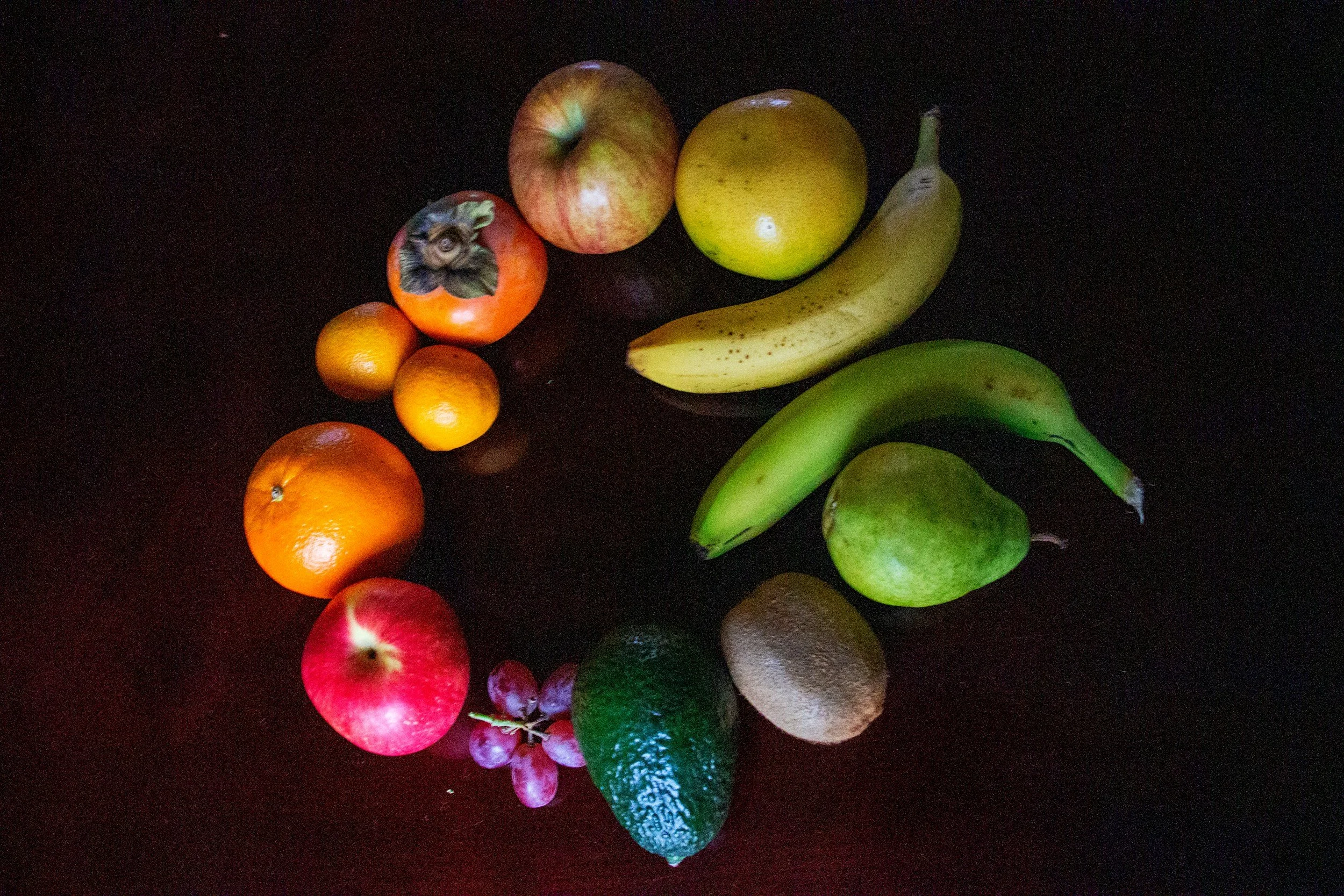
Different colours in fruits and vegetables reflect the powerful plant compounds they contain. Each colour brings unique benefits for your body, brain, and gut.
For busy mums, the idea of eating “perfectly” can feel overwhelming. However, one of the simplest and most effective strategies for nutrient-dense eating is also the most visually appealing: eat the rainbow. Fruits and vegetables aren’t just vibrant and beautiful; their colours indicate polyphenols, antioxidants, and other bioactive compounds that support long-term health. Eating a variety of colours ensures your body receives a broad spectrum of nutrients and feeds the beneficial bacteria in your gut.
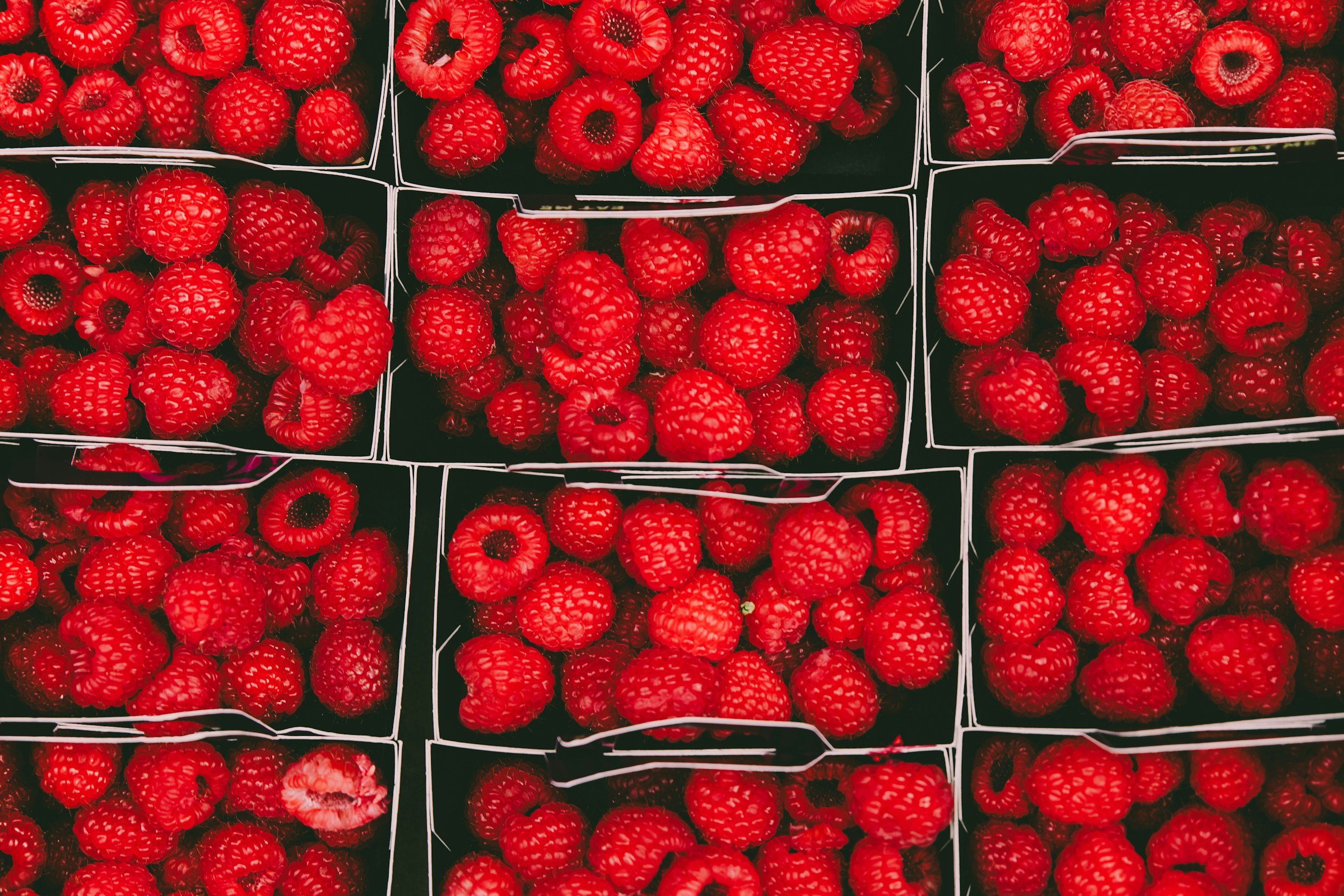
Red foods: Lycopene, anthocyanins, and heart health
Red fruits and vegetables, like tomatoes, strawberries, raspberries, watermelon, and red peppers, are rich in:
Lycopene: A carotenoid with potent antioxidant properties that supports heart health, skin health, and reduces inflammation.
Anthocyanins: Polyphenols that help protect blood vessels, support cognitive function, and fight oxidative stress.
Adding red foods to your meals can help protect your cardiovascular system, support healthy blood pressure, and reduce chronic inflammation.
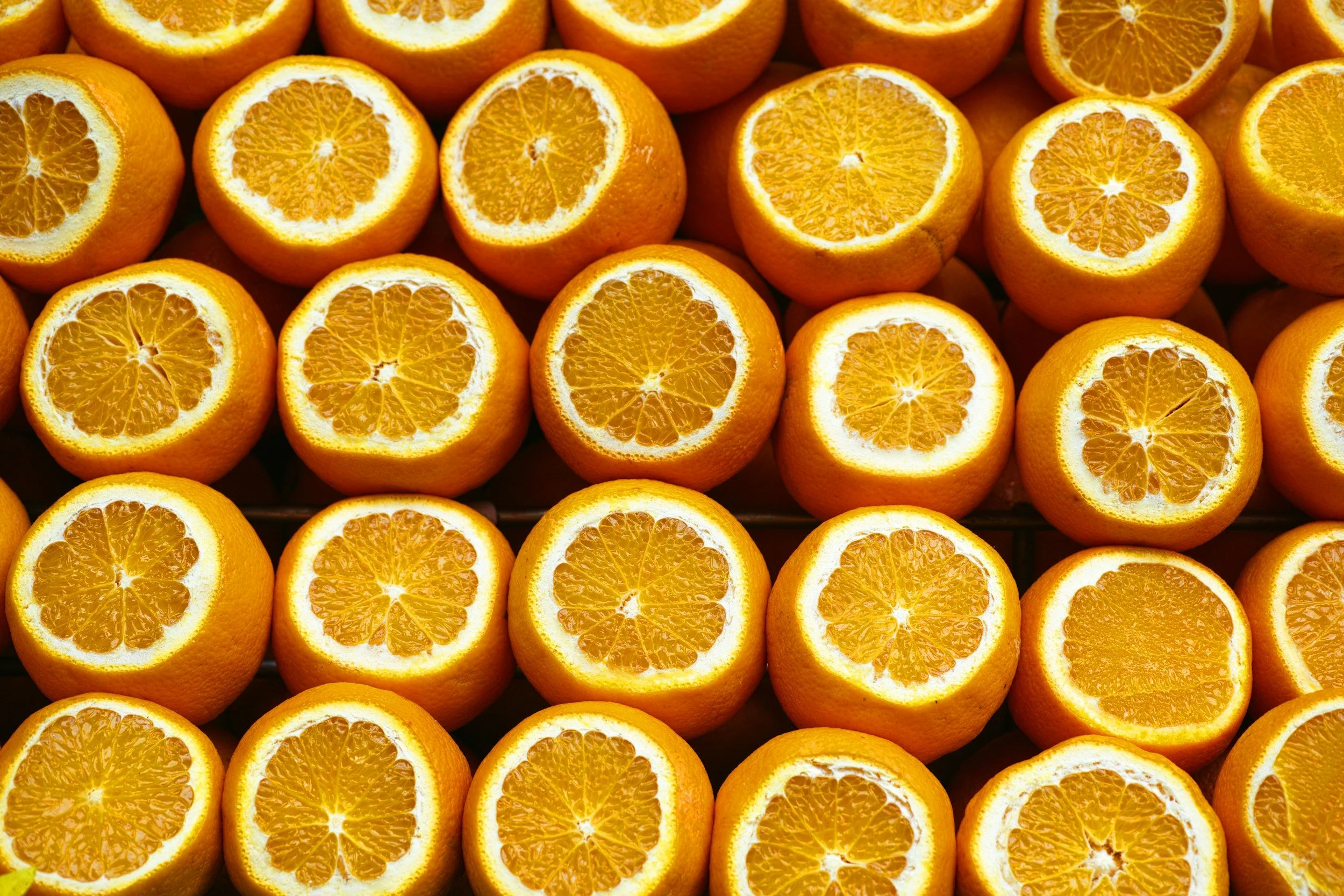
Orange & yellow foods: beta-carotene and vitamin C for immunity
Orange and yellow foods, such as carrots, sweet potatoes, pumpkin, butternut squash, yellow peppers, and citrus fruits, are nutritional powerhouses:
Beta-carotene: Is converted into vitamin A in the body, supports eye health, skin repair, and immune function.
Vitamin C: Essential for collagen production, antioxidant protection, and immune resilience.
Helps maintain healthy mucous membranes
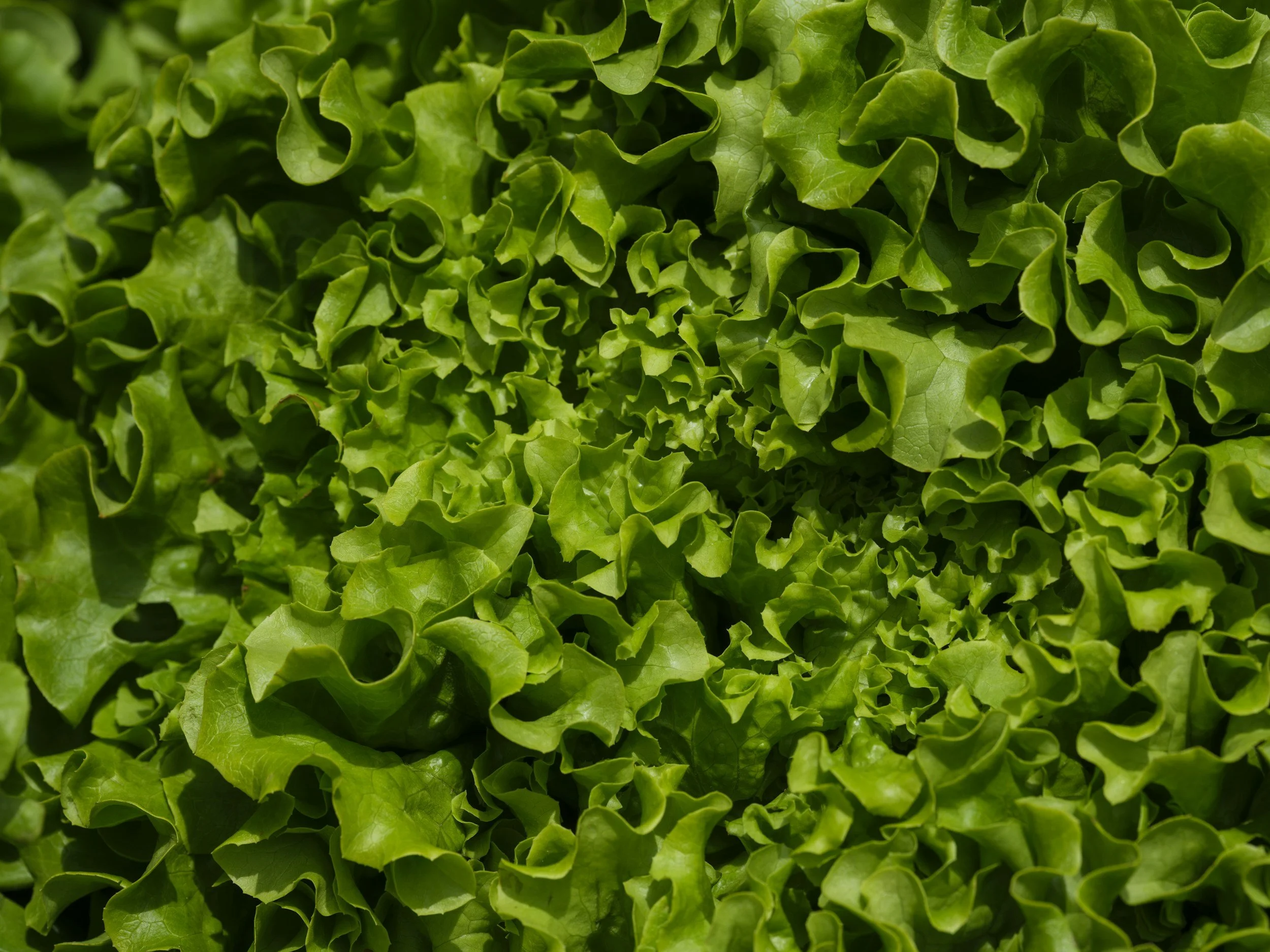
Green foods: chlorophyll, folate, and magnesium for detox and hormones
Green plants are some of the most nutrient-dense foods available. They contain chlorophyll, folate, magnesium and a wide range of antioxidants that support overall vitality. Examples include spinach, kale, broccoli, lettuce, rocket, peas, herbs, and green beans.
Key benefits:
Chlorophyll: Helps detoxify the liver and neutralise toxins.
Folate & magnesium: Support energy production, hormone balance, and nervous system health.
Rich in fibre for gut health
Helps maintain healthy blood pressure
Supports bone health (vitamin K)
May reduce inflammation
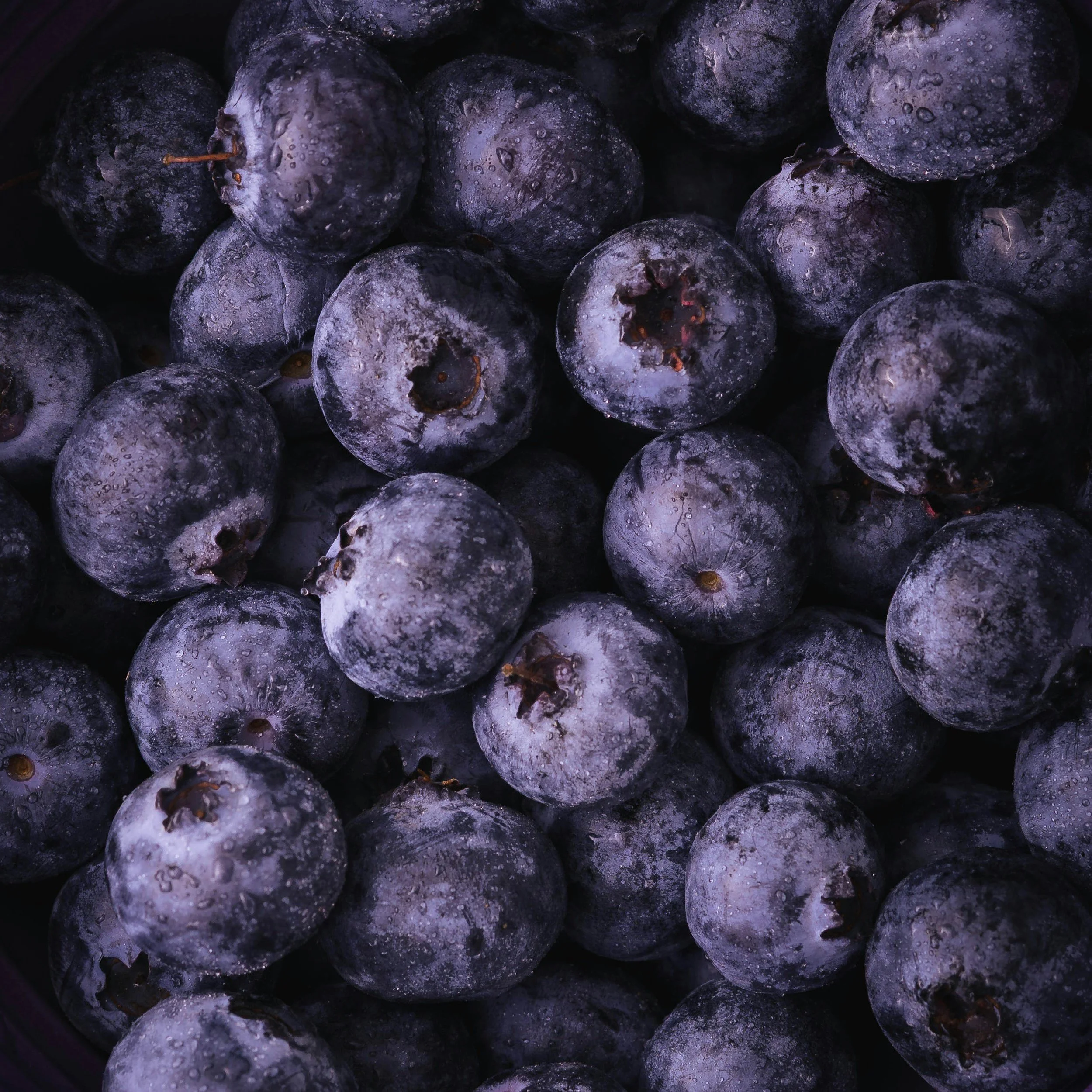
Blue & purple foods: anthocyanins for brain and mood
Blue and purple foods, such as blueberries, blackberries, purple cabbage, aubergine, and plums, are rich in anthocyanins and resveratrol. These polyphenols:
Protect brain cells from oxidative stress
Support memory, learning, and mood regulation
Reduce inflammation and oxidative damage
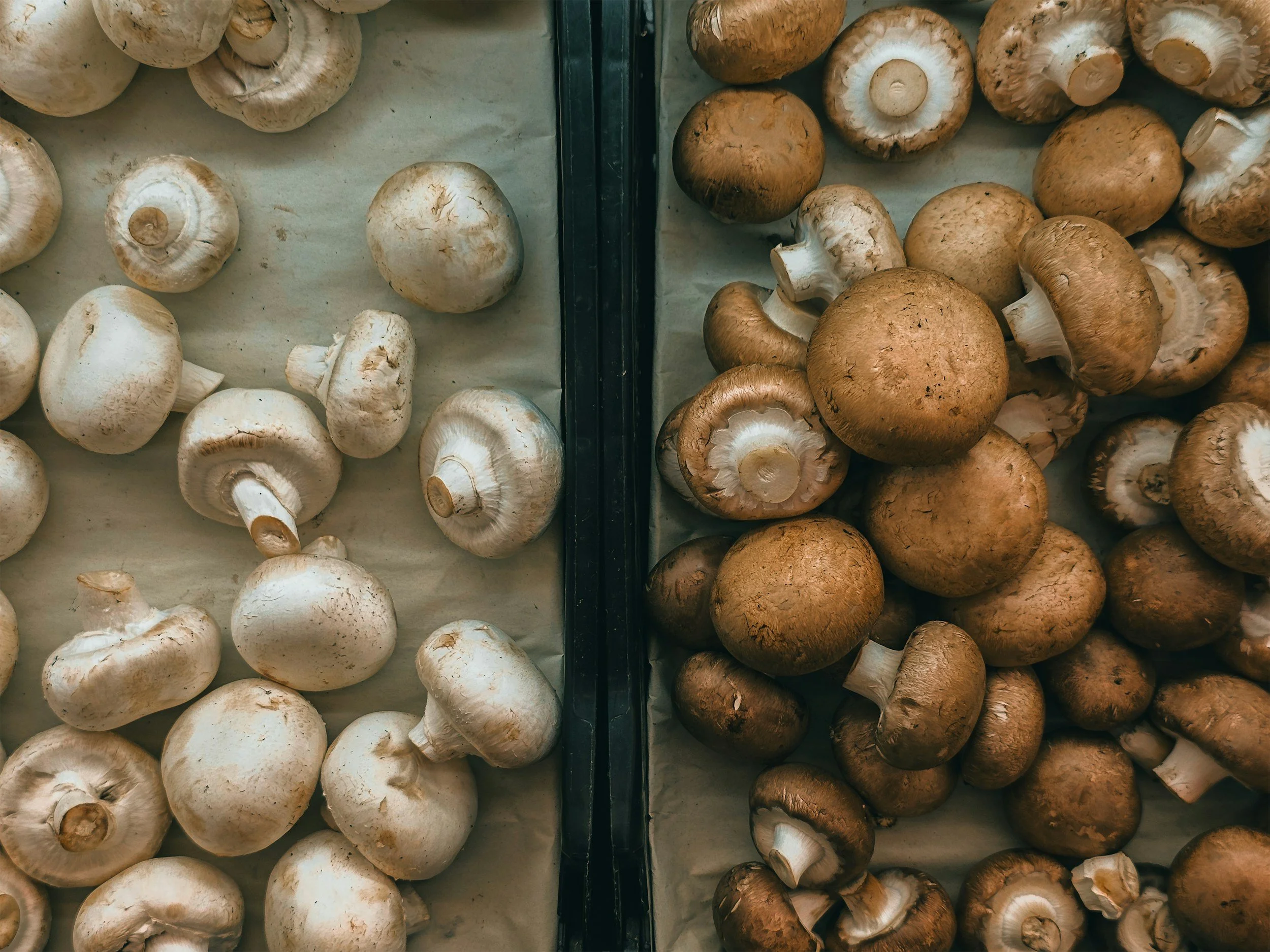
White & brown foods: allicin, prebiotics, and gut health
Don’t overlook white and brown vegetables like garlic, onions, mushrooms, cauliflower, and leeks. These foods contain:
Allicin (garlic & onions): Supports immune function and cardiovascular health.
Prebiotic fibers (leeks): Feed beneficial gut bacteria, supporting digestion, immune health, and hormone metabolism.
Why colour variety matters
A colourful plate usually means:
More fibre
More antioxidants
A wider range of vitamins and minerals
Better gut diversity
More satisfying, flavourful meals
Instead of thinking about restriction, think about addition: what colour can you add next?
How to use this in everyday meals
Building colour into your diet doesn’t need to be complicated. Start with something simple:
Add berries to breakfast
Include two or three vegetable colours at lunch
Roast a mix of seasonal vegetables for dinner
Mix raw and cooked: Some antioxidants (like lycopene in tomatoes) are better absorbed cooked with a little oil such as olive oil, while others (like vitamin C in peppers) are best raw.
Snack on raw vegetables
Sprinkle herbs and seeds over everything
Aim for at least 3–5 colours per meal where possible
Rotate weekly: Different colours each week ensure a wider variety of polyphenols and nutrients and helps keeps your microbiome diverse and nutrient intake balanced. Aim to add one or two extra fruit or veg into your basket that you haven’t eaten for a while.
A simple nourish bowl might include:
Green spinach base
Orange roasted sweet potato
Red peppers
Purple cabbage
Creamy avocado
A sprinkle of seeds
The result is a meal that is not only visually stunning but nutritionally complete.
Eating the rainbow isn’t about complicated meal plans or perfect compliance. It’s about adding vibrant, whole foods to your plate gradually, consistently, and with joy. By embracing colourful, polyphenol-rich foods, you give your body protection, energy, and resilience, and nourish your gut microbiome along the way.