Good fats vs bad fats: A guide on healthy dietary fats
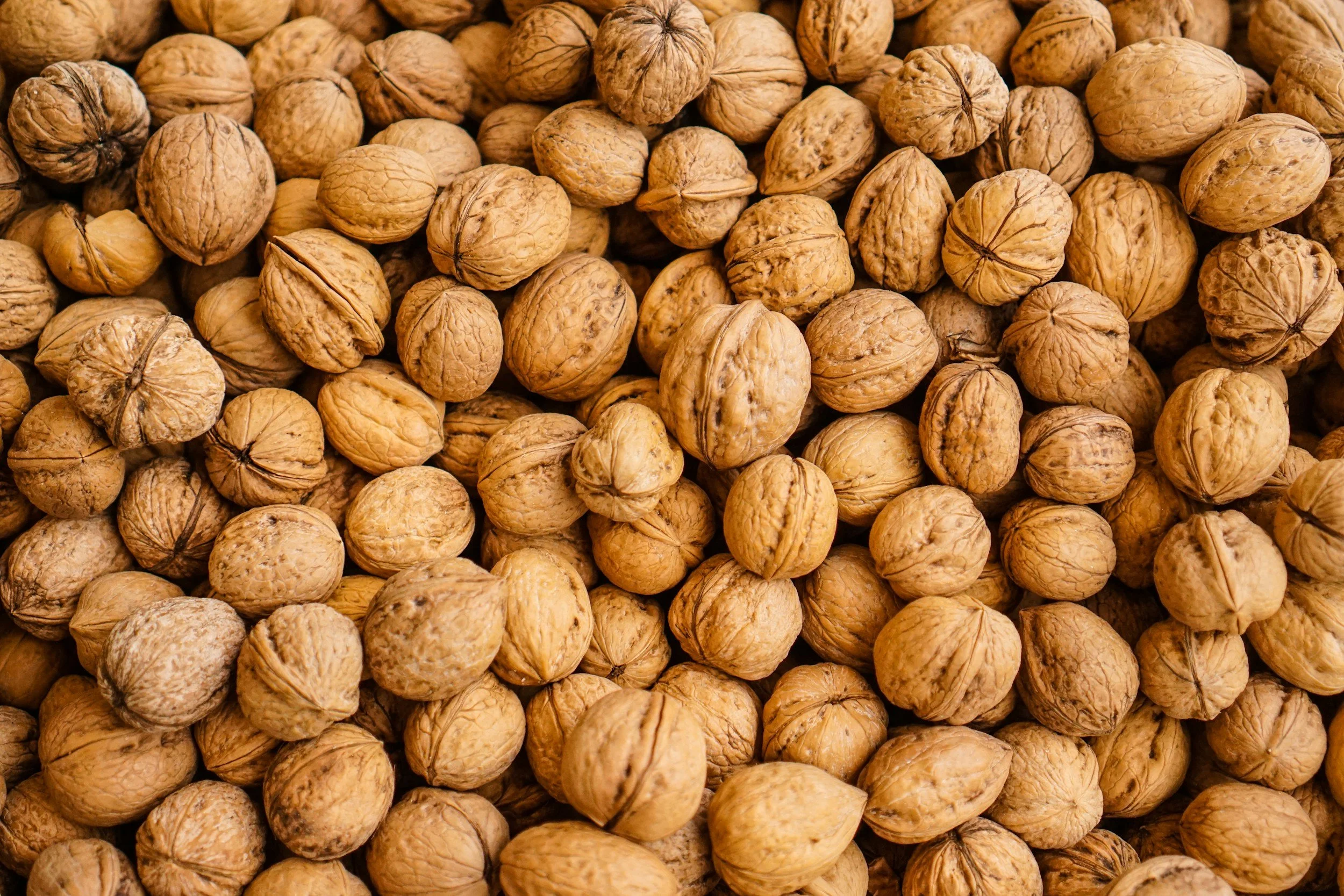
Fats are an essential part of a healthy, balanced diet and play a vital role in supporting overall health. Beyond adding flavour and satiety to meals, fats provide energy and are crucial for skin health, hormone production, brain function, and the absorption of key nutrients. Fat-soluble vitamins A, D, E, and K depend on dietary fat to be absorbed and used effectively by the body. However, not all fats are created equal, and understanding which types to include more often and which to limit can have a significant impact on long-term health.
The different types of fats
1. Monounsaturated fats - MUFAs (Healthy)
What they are: Single double-bond fats.
Benefits: Improve heart health by reducing “bad” LDL cholesterol, support insulin sensitivity and blood sugar balance and have Anti-inflammatory properties.
Food sources: Olive oil (Oleic acid is most common MUFA) , avocado, nuts, seeds.
Tip: How to choose your olive oil
Always choose Extra Virgin Olive Oil (EVOO), not “light” or a blend of oils.
Choose dark coloured glass bottles as this protects the oil from light and oxidation.
Check when the oil was harvested and the use-by date. The fresher the olive oil, the better!
Select cold-pressed EVOO, ensuring the retention of nutrients in the oil.
Focus on the smell and taste of the oil. You want it to smell grassy and peppery. It should taste bitter; this indicates fresh antioxidants and polyphenols.
2. Polyunsaturated Fats - PUFAs (Healthy)
What they are: Fats with multiple double bonds, including omega-3 and omega-6 fatty acids.
Benefits: Omega-3s (EPA & DHA) reduce inflammation, support hormones, the immune system, blood clotting and support heart & brain health. Omega-6s are also essential, but should be balanced with omega-3 intake. We should consider consuming more omega-3-rich foods, as the sources are often less commonly eaten or eaten in small quantities.
Food sources:
Omega-3: fatty fish (salmon, sardines, mackerel), flaxseeds, chia seeds, walnuts
Omega-6: sunflower seeds, safflower oil, cold-pressed rapeseed oil.
Let’s talk cold-pressed rapeseed oil
Rapeseed oil has a bad reputation; however, Cold-pressed rapeseed oil isn’t bad for you. This is because it’s minimally processed and retains a favourable nutrient profile. The cold-pressing method avoids high heat and harsh chemicals (which you will find with normal rapeseed oil), helping preserve antioxidants like vitamin E and important plant polyphenols. Nutritionally, rapeseed oil is low in saturated fat and high in monounsaturated fat, which supports heart health, and it also provides omega-3 fatty acids (ALA) in a balanced ratio with omega-6. The bad reputation of rapeseed oil largely comes from refined or overheated versions, not cold-pressed ones, which are excellent for low-medium heat cooking. I’m sure you have noticed that I often use cold-pressed rapeseed oil in my dairy-free baking. This is due to the nutrient profile and minimal taste.

Tip: SMASH fish
In clinic, I always refer to specific oily fish - SMASH fish - to be enjoyed as a key part of a balanced "healthy diet" 2–3x/week to support omega-3 intake and inflammation reduction. SMASH fish are lower in mercury and toxins. When choosing, always select wild fish where possible over farmed varieties. Wild fish will have had an optimal diet in their natural environment. Compared to farmed, where the health of the fish isn't always at the forefront of the farmer's thinking. I understand there is a cost implication here, but tinned fish is absolutely fine. Tinned sardines make an amazing, quick lunch! As a general guide, we should aim to eat a portion of these fish 2-3 times a week. Just so you know, Trout is also a great option and one I love to use in my cooking.
3. Saturated Fats (use in moderation)
What they are: Solid at room temperature; found in animal and some oils such as coconut oil.
Benefits: Can support hormone production, satiety, and are energy-dense.
Limitations: Excess saturated fat is linked to heart disease.
Food sources: Butter, ghee, coconut oil, full-fat dairy, meat.
Grass-fed meat vs conventionally raised meat
When it comes to meat, one of the biggest distinctions is between grass-fed and conventionally raised (grain-fed) meat. Grass-fed animals are raised primarily on pasture, eating natural grasses and forage, while conventional animals are often fed grains. This difference in diet affects the meat’s nutritional profile. Grass-fed meat tends to be leaner, with lower overall fat content but higher proportions of beneficial fats like omega-3 fatty acids and conjugated linoleic acid (CLA), which support heart health and reduce inflammation.
4. Trans Fats (avoid)
What they are: Artificial processed trans fats and hydrogenated fats.
Risks: Promote inflammation and insulin resistance, and are linked to heart disease and diabetes.
Sources to avoid: Found most commonly in processed foods, margarine, packaged snack foods, cakes and biscuits, pastry, some commercial salad dressings, oils heated repeatedly, such as in deep fat fryers, and refined oils.
I hope this explanation of healthy fats proves helpful. You will find plenty of recipes featuring healthy fats in my recipe section.
Katie